As global awareness of environmental challenges grows, the water infrastructure industry is embracing sustainable practices that balance operational efficiency with environmental responsibility. Sustainable water infrastructure represents a paradigm shift toward systems that minimize environmental impact while maximizing long-term value.
Energy-Efficient Pumping Solutions
Energy consumption represents the largest operational cost for most pumping stations, making energy efficiency a critical sustainability factor. Modern high-efficiency pumps can reduce energy consumption by 20-40% compared to older systems. Key contributors to energy savings include:
- Premium efficiency motors
- Optimized impeller designs
- Advanced hydraulic engineering
Renewable Energy Integration
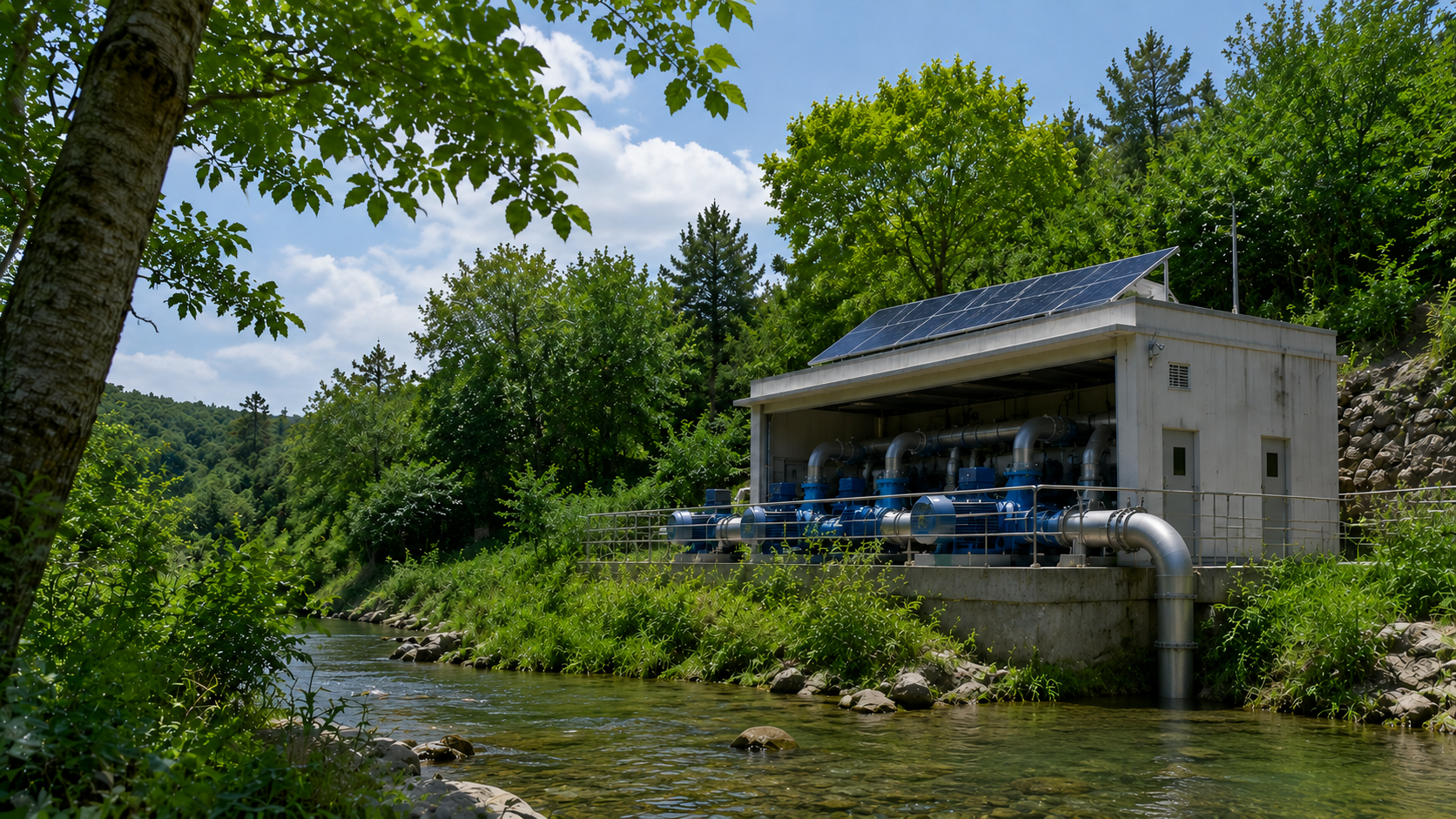
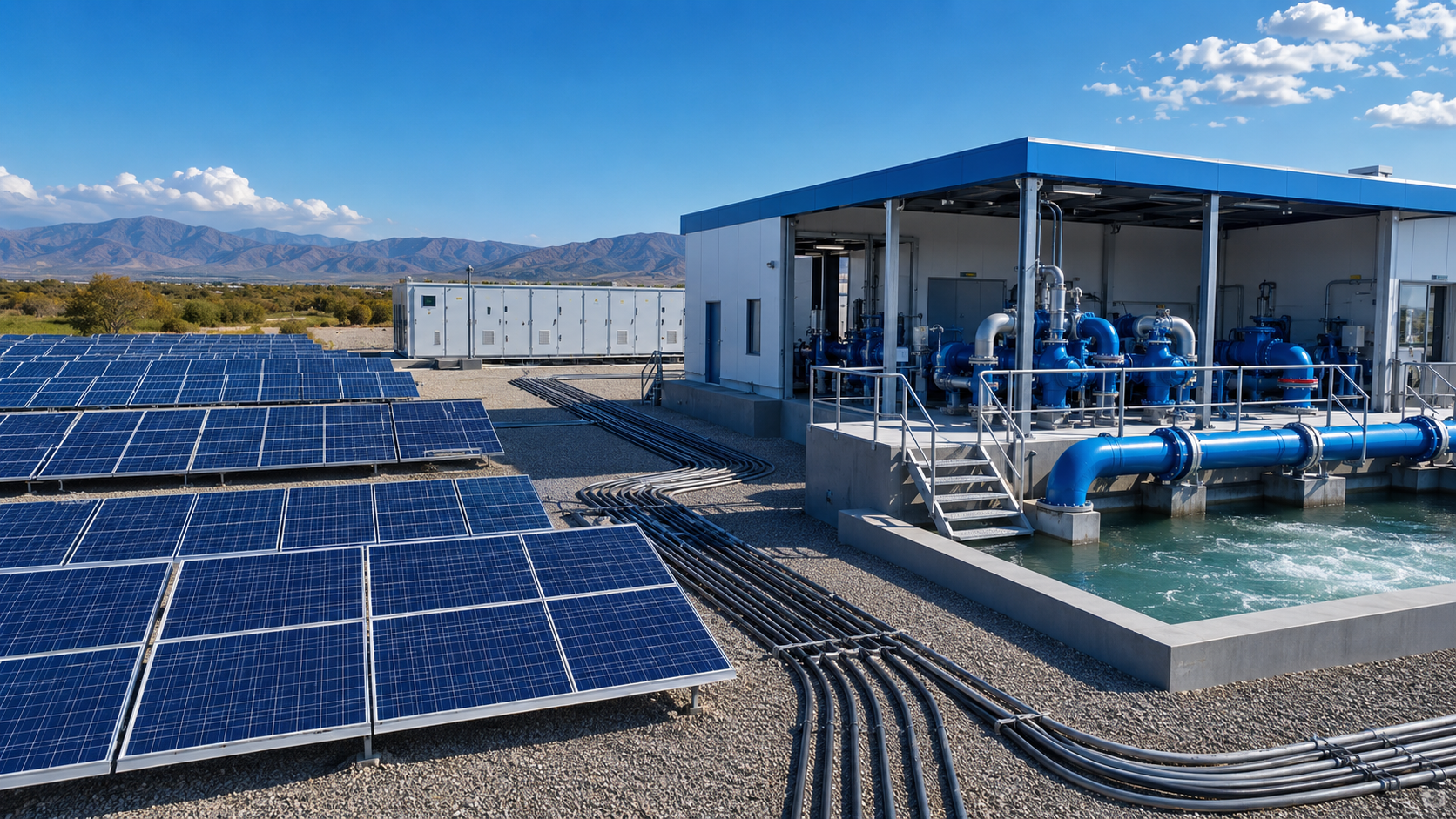
Solar-powered pumping systems are becoming increasingly viable for remote and off-grid applications. Hybrid systems that combine grid power with solar energy can significantly reduce carbon footprints while providing energy security. Battery storage systems ensure continuous operation during peak demand periods or grid outages.
Water Recovery and Reuse Technologies
Circular economy principles are driving innovation in water recovery and reuse systems. Advanced treatment technologies enable the recovery of high-quality water from wastewater streams, reducing demand for freshwater resources. These systems are particularly valuable in:
- Water-scarce regions
- Industrial applications with high water consumption
Smart Water Management
Intelligent water management systems optimize resource utilization through:
- Real-time monitoring
- Demand forecasting
- Automated control systems
These technologies reduce water waste, improve system efficiency, and enable proactive maintenance strategies that extend equipment life.
Life Cycle Assessment and Environmental Impact
Sustainable infrastructure design considers the entire life cycle of equipment and systems, from manufacturing and installation to operation and end-of-life disposal. Manufacturers are increasingly focusing on:
- Recyclable materials
- Reduced packaging
- Take-back programs for equipment replacement
Regulatory Compliance and Standards
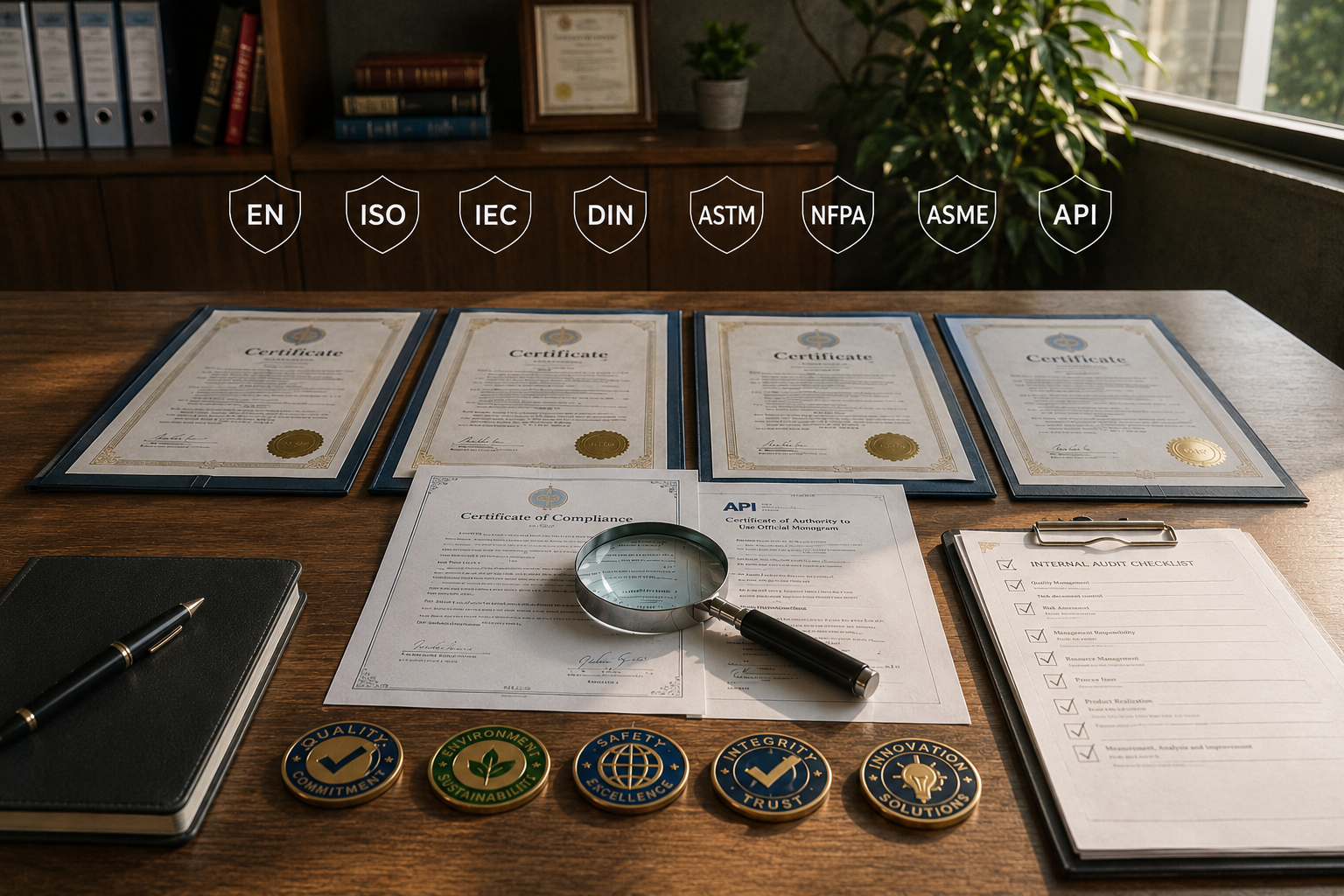
Environmental regulations are driving adoption of sustainable technologies. Compliance with standards such as ISO 14001 (Environmental Management Systems) and various regional environmental regulations require systematic approaches to environmental impact reduction.
Economic Benefits of Sustainability
Sustainable infrastructure investments often provide superior long-term returns through:
- Reduced operational costs
- Extended equipment life
- Improved regulatory compliance
Many organizations find that sustainability initiatives pay for themselves through energy savings and operational efficiencies within 3-5 years.
Key Takeaways
| Category | Benefit |
|---|---|
| Energy-Efficient Pumps | 20-40% energy reduction |
| Renewable Energy Integration | Lower carbon footprint + energy security |
| Water Recovery & Reuse | Reduced freshwater demand |
| Smart Water Management | Less waste + proactive maintenance |
| Life Cycle Assessment | Recyclable materials + reduced packaging |
| Sustainability ROI | Payback within 3-5 years |
CARDINAL is committed to sustainable water infrastructure, offering exclusive partnerships with eco-conscious manufacturers to deliver green solutions for municipal, industrial, and stormwater applications worldwide.